

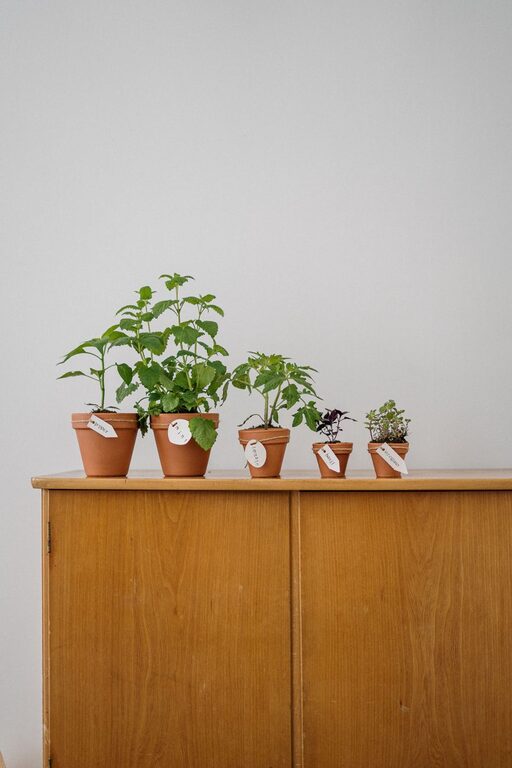
Starting a small herb garden in your home or apartment is a rewarding way to add fresh flavors to your cooking, improve air quality, and bring a touch of nature indoors. Whether you have a sunny windowsill, a balcony, or just a small corner in your kitchen, growing herbs can be simple and enjoyable. This guide provides practical tips to help you get your herb garden growing successfully in any small space.
Choosing the Right Herbs for Your Space
When starting an herb garden indoors or in a compact area, choosing herbs that thrive in containers and limited light is key. Here are some beginner-friendly herbs to consider:
– Basil: Loves sunlight and warm temperatures. Perfect for cooking.
– Mint: Very hardy and grows quickly; best kept in pots to prevent spreading.
– Parsley: Tolerates partial shade and is great for many dishes.
– Thyme: Thrives with good drainage and moderate sunlight.
– Chives: Easy to grow and perfect for fresh garnishes.
– Oregano: Requires lots of sunlight but is low-maintenance.
– Cilantro: Prefers cooler temperatures and moderate light.
Tips for Selecting Herbs:
– Choose herbs you regularly use in cooking to maximize enjoyment.
– Start with a few varieties to avoid overwhelming your space.
– Consider aroma and growth habits (some herbs grow bushier and taller than others).
Finding the Ideal Location
Light is one of the most crucial factors for a successful herb garden. Most herbs need at least 4-6 hours of direct sunlight daily.
– Windowsills: South or west-facing windows usually receive the best light.
– Balcony or patio: If you have outdoor access, herbs can thrive there in pots.
– Under grow lights: For spaces with limited natural light, LED grow lights offer an excellent alternative.
Lighting Tips:
– Rotate your herb pots regularly for even growth.
– If natural light is insufficient, invest in inexpensive grow lights to supplement.
Selecting Containers and Soil
Herbs grow best in containers with good drainage to prevent root rot.
– Use pots with drainage holes.
– Size matters: small pots (around 6-8 inches in diameter) work well for most herbs.
– Consider using a saucer under the pot to catch excess water.
Soil Mix:
– Opt for a high-quality potting mix designed for indoor plants.
– Avoid garden soil, which can be too heavy or contain pests.
– Some gardeners add perlite or sand to improve drainage.
Planting and Sowing Your Herbs
You can start your herb garden from seeds or buy small starter plants from a nursery.
Starting from Seeds:
– Use seed trays or small pots.
– Follow instructions on the seed packet for planting depth and spacing.
– Keep soil moist and maintain warmth to encourage germination.
Using Starter Plants:
– Choose healthy plants with vibrant leaves.
– Transplant carefully to avoid damaging roots.
– Water immediately after planting.
Watering and Care
Proper watering is essential but can be tricky indoors.
– Water when the top inch of soil feels dry.
– Avoid overwatering; soggy soil can harm herbs.
– Use room temperature water for best results.
– Mist herbs occasionally if the air indoors is dry.
General Care:
– Pinch back herbs to encourage bushier growth.
– Remove yellow or dead leaves promptly.
– Fertilize lightly every 4-6 weeks with a balanced, water-soluble fertilizer diluted to half strength.
Managing Pests and Problems
Indoor herb gardens are less prone to pests but can still face challenges.
– Watch for aphids, spider mites, and whiteflies.
– Natural remedies include spraying with a mix of water and mild dish soap.
– Increase air circulation around plants to reduce fungal issues.
– Quarantine new plants before adding them to your garden.
Harvesting Your Herbs
Harvesting herbs correctly helps them grow fuller and prolongs their life.
– Use sharp scissors or pruning shears for clean cuts.
– Harvest in the morning when essential oils are most concentrated.
– Pick leaves from the top to encourage new growth.
– Avoid removing more than one-third of the plant at a time.
Additional Tips for Success
– Label your pots to keep track of different herbs.
– Group herbs with similar light and watering needs together.
– Consider companion planting; some herbs grow better near others.
– Keep a gardening journal to note what works and what doesn’t.
Conclusion
Growing a small herb garden in your home or apartment is accessible and gratifying. With the right selection of plants, proper care, and a little patience, you can enjoy fresh herbs at your fingertips all year round. Start small, pay attention to your herbs’ needs, and soon your indoor garden will flourish and enhance your cooking and living space.
Happy gardening!